













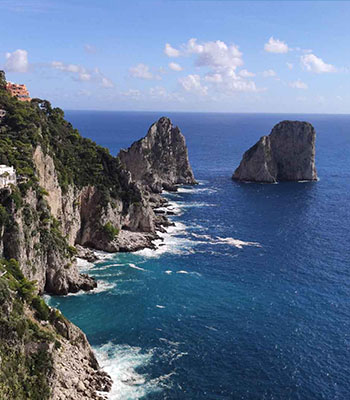
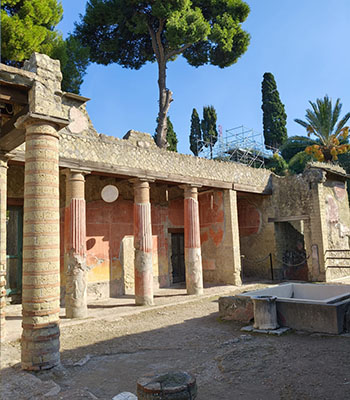
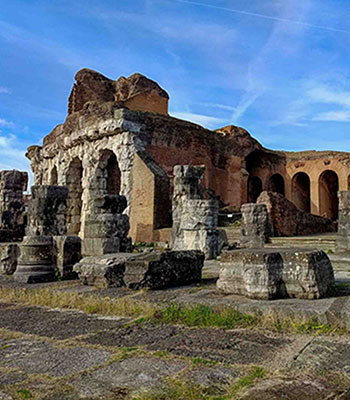
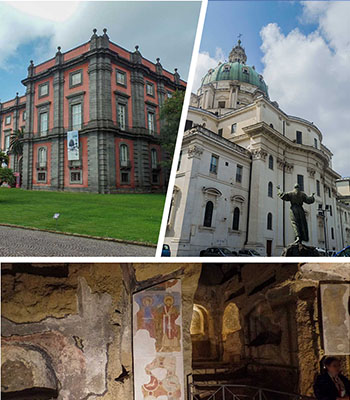
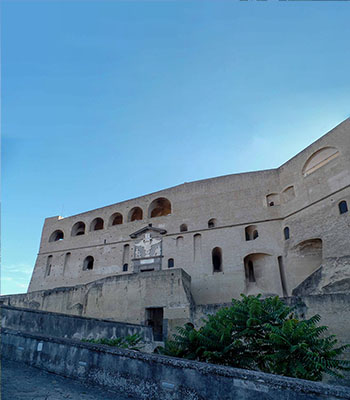
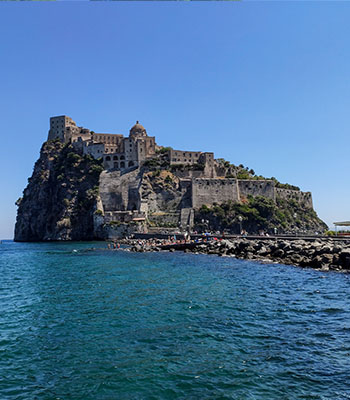
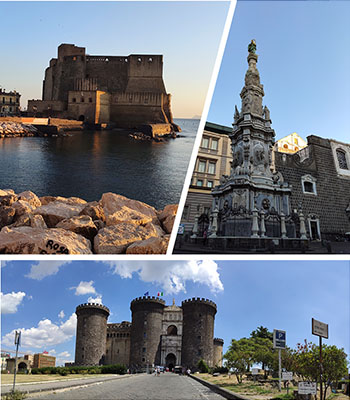
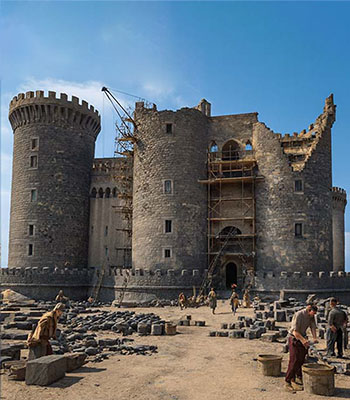
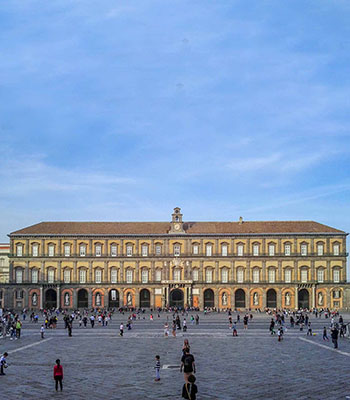
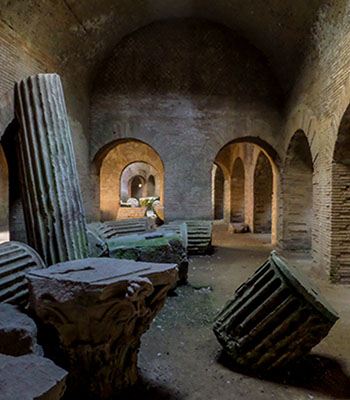
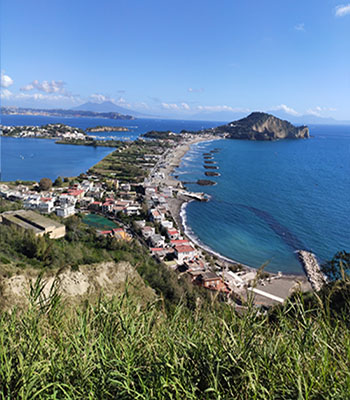
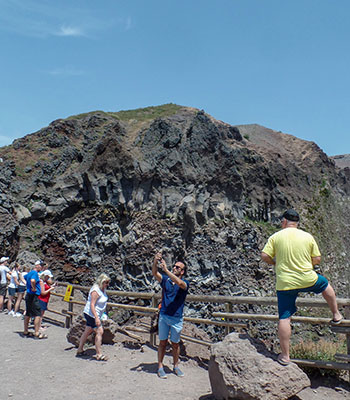
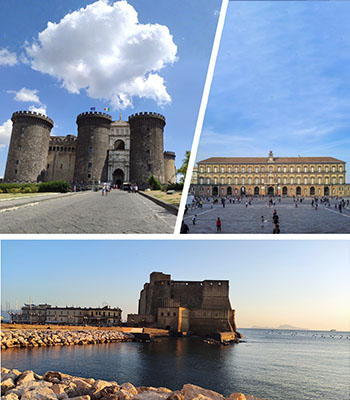
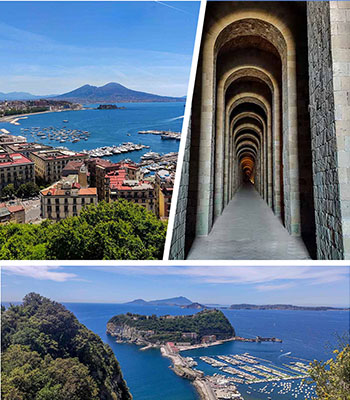


Pictures of Capri...


The history of Capri
It is hypothesized that the name Capri derives from the Greek Καπρέαι (Caprei) or from the Latin Capreae due to the abundance of goats that once there were. But another current of thought attributes the name of the blue island to the Greek word κάπρος (kápros) which means wild boar.
Initially, Capri was joined to the Sorrento peninsula, then it was partly submerged by the sea, separating it from the mainland, creating the Strait of Bocca Piccola.
The history of the island does not begin during the Greeks or Romans time, but much earlier, in late prehistory. This is suggested by the various archaeological finds found in the Felci cave, a large ravine on the southern side of the blue island. In this cave painted vases, artefacts and obsidian (volcanic glass) blades were found, objects from various periods, from the Neolithic period until the Iron Age.
There is not much trace of the Greek period but it is thought that in the 7th century BC. it was the Cumans who settled on the blue island and remained there until the 5th century BC.
Later, when the Romans began the conquest of the Campania region, the emperor Augustus, named the island Apragopolis, "sweet idleness". The charm of Capri was so strong that it induced the sovereign of Rome to make an agreement with the Neapolitans, in fact he exchanged Ischia to immediately obtain the blue island.
Later, after the death of Augustus, the new emperor, Tiberius, decided to move the Imperial residence from Rome to Capri, where he lived for 10 years.
After Roman rule, Capri and the nearby islands (Ischia and Procida), was often ransacked from pirates. It was later disputed by the French and the English until Napoleon Bonaparte arrived and conquered the entire kingdom of Naples including the blue island.
In 1815, after the Congress of Vienna, with the Bourbon restoration, Napoleon Bonaparte was exiled and Ferdinand I of Bourbon returned to being king of a new kingdom, that of the two Sicilies of which Capri was part.
From that moment the blue island became a travel destination for illustrious people of the time, writers, poets, painters etc.
During the Second World War the Germans never managed to obtain the blue island. The Italian soldiers, led by Colonel Guido Marseille, managed to defend it from the invaders until the arrival of the allies on 13 September 1943.
Capri, today, is instead known as one of the most sought-after tourist destinations in the world, so much so that it enchants millions of tourists coming from all over the world to admire the beauty of the Neapolitan Island.